Tantalizing the Cosmos: Why Space Farming is the Next Frontier
The challenge of feeding astronauts on extended missions has long haunted space agencies. As humanity embarks on longer journeys and considers colonizing Mars or even the moons of Jupiter, sustainable food sources become crucial. In 2026, the concept of galactic gastronomy is taking center stage, with a focus on cultivating food in microgravity and extreme environments. NASA and private entities like SpaceX are working tirelessly to perfect the art of space farming, aiming to grow everything from leafy greens to protein-rich algae.
The Science Behind Growing Food in Space
Growing food in space is no small feat. Microgravity affects plant growth in unexpected ways, influencing everything from root development to nutrient uptake. Traditional farming techniques are being reimagined, with vertical farms and hydroponics systems leading the charge. The European Space Agency’s MELiSSA project is a prime example, creating a closed-loop life support system where plants not only feed astronauts but also recycle carbon dioxide into oxygen. As of 2026, the International Space Station boasts a thriving garden, a testament to these scientific breakthroughs.
Menu of the Future: What We’re Eating in Space
By 2026, astronauts’ menus have evolved beyond the classic freeze-dried meals. Fresh produce such as lettuce, radishes, and even strawberries are regularly harvested on the ISS. The growing interest in protein-rich microalgae like spirulina is also notable. Spirulina can be cultivated with minimal resources and provides essential amino acids, making it ideal for space missions. As space agencies refine these techniques, the dream of a diverse space diet is becoming a reality.
Space Cuisine: Challenges and Innovations
Despite progress, challenges remain. Microgravity affects taste buds, making food taste bland. Enter the culinary scientists, who are experimenting with flavor intensity and texture to keep astronauts’ taste buds engaged. The use of umami-rich ingredients and enhanced seasoning techniques are at the forefront of this effort. Moreover, packaging and food preservation continue to pose unique challenges that scientists are keen to solve, ensuring food safety and quality for long-duration missions.
The Future of Space Nutrition: Beyond Survival
Space nutrition is no longer just about survival; it’s about thriving in extraterrestrial environments. As we look toward 2027 and beyond, space agencies are exploring the psychological benefits of familiar flavors and comfort foods in maintaining crew morale. The potential of 3D-printed meals, which can replicate beloved dishes from Earth, is being explored to provide astronauts with a taste of home. The intersection of technology and nutrition is paving the way for a future where space travelers can enjoy a variety of dishes tailored to their nutritional needs and personal preferences.
Takeaway: Earthly Applications of Space Farming
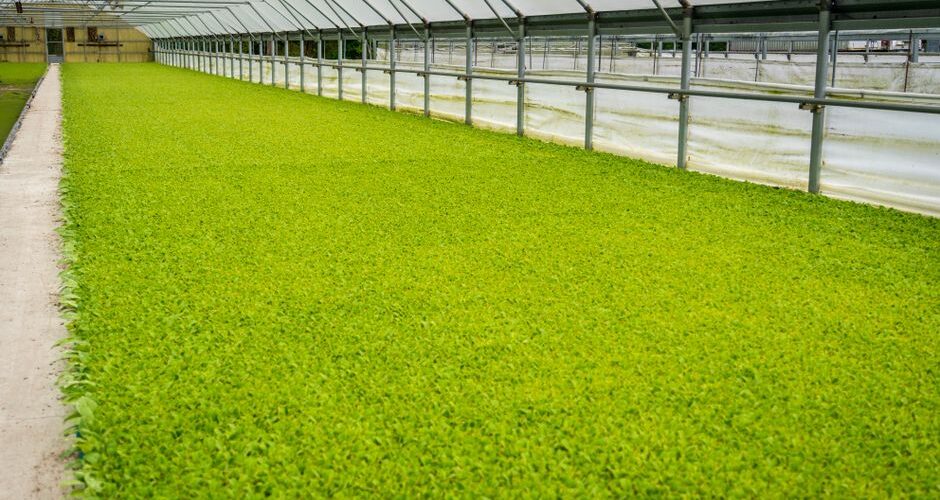
The advancements in space agriculture have far-reaching implications for Earth. Technologies developed for space farming are being adapted to improve food security in arid regions and urban environments. Vertical farming and hydroponics are becoming more prevalent as cities strive to reduce their carbon footprint and ensure food sustainability. Thus, the quest for extraterrestrial food sources not only supports space exploration but also contributes to addressing global challenges on our home planet.