The Dawn of Autonomous Spacecraft
Space exploration has always been a testament to human ingenuity and ambition. But as we venture further into the cosmos, the limitations of human-operated missions become increasingly apparent. Enter autonomous spacecraft, the new pioneers of the celestial sea. In 2026, the evolution of self-navigating technology is not just a leap forward; it’s a necessity for deep space missions.
What Makes a Spacecraft Autonomous?
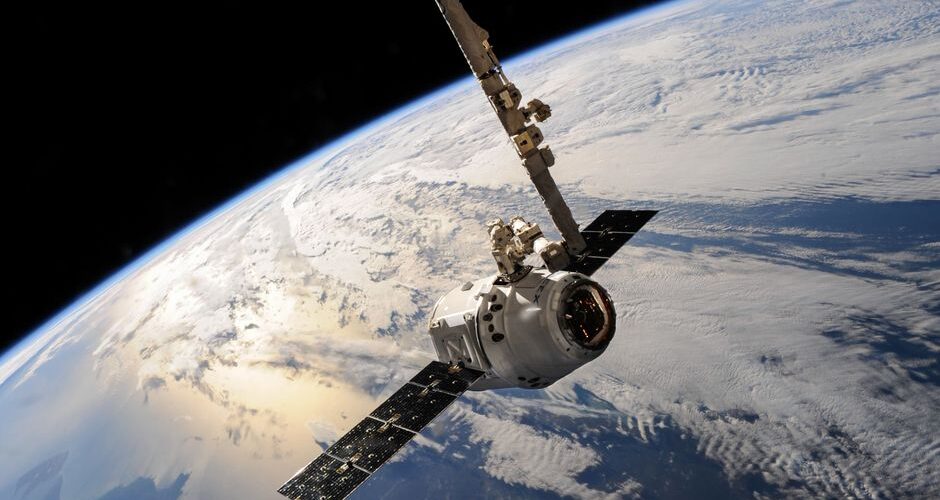
Autonomous spacecraft are equipped with advanced AI systems that allow them to make decisions without human intervention. This includes navigation, problem-solving, and data collection. Unlike their predecessors, these spacecraft can adjust their course to avoid obstacles and select optimal paths to their destinations. This autonomy not only saves time but also increases mission efficiency and safety. A shining example is NASA’s Perseverance rover, which laid the groundwork for such technology with its autonomous navigation features back in the early 2020s.
The Technology Behind the Transition
The autonomy of modern spacecraft is largely due to advancements in artificial intelligence and machine learning. These technologies enable spacecraft to analyze vast amounts of data in real time, adapting to unexpected challenges. Quantum computing also plays a pivotal role, processing complex calculations faster than traditional computers. Coupled with sensor technology like LIDAR and advanced radar systems, these spacecraft can perceive their surroundings with unprecedented clarity.
Case Study: The Voyager 3 Mission
The Voyager 3 mission, launched in 2025, is a hallmark of autonomous exploration. Its mission to study the outer planets and beyond is a testament to the capabilities of modern spacecraft. Equipped with an AI system capable of learning from its experiences, Voyager 3 navigates interstellar space, adjusting its methods to maximize data collection and minimize resource consumption. The mission has already returned groundbreaking data from the Kuiper Belt, revealing new insights into the early solar system.
Challenges and Considerations
Despite their promise, autonomous spacecraft face significant challenges. Communication delays with Earth mean that they must be highly reliable and capable of independent problem-solving in the most extreme environments. Designing failsafe systems and redundancy measures is crucial. Furthermore, ethical considerations arise as we grant machines greater autonomy; ensuring these systems operate safely and within predefined parameters is essential.
The Future of Space Exploration
As we look ahead, the role of autonomous spacecraft will only grow. From mapping distant galaxies to unraveling the mysteries of black holes, these explorers will push the boundaries of what we know. Their contributions will provide insights not just for scientists, but for humanity as a whole, as we continue our quest to understand our place in the universe.
Practical Takeaway
For aspiring engineers and scientists, the rise of autonomous spacecraft represents a new frontier of opportunity. Embracing this technology means investing in skills such as AI development, systems engineering, and robotics. As we stand on the brink of a new era in space exploration, those who adapt to these changes will be at the forefront of cosmic discovery.