The Nebulae: Galactic Artwork or Birthplaces of Stars?
As we stand on the threshold of 2026, our understanding of the universe continues to expand at an unprecedented pace. Among the most captivating celestial phenomena are nebulae—those shimmering clouds of gas and dust peppered across the cosmos. Often resembling ethereal artwork painted by some cosmic hand, these nebulae are much more than mere decoration. They are the birthplaces of stars, cradles of cosmic creation where the magic of nuclear fusion ignites new suns.
Nebulae come in various forms: emission nebulae glow with vivid colors due to ionized gases, reflection nebulae scatter the light of nearby stars, and dark nebulae, which block out light, leaving mysterious voids against the stellar backdrop. In 2026, astronomers are honing their focus on these celestial wonders to unravel the secrets of stellar evolution and the cosmic tapestry that is our universe.
The Hunt is On: New Telescopic Technologies
To capture these elusive and often faint objects, the astronomical community has been eagerly upgrading their observational arsenals. Enter the next-generation telescopes, equipped with cutting-edge technology designed to peer deeper into the universe than ever before. The James Webb Space Telescope, now four years into its mission, has continued to awe scientists with its infrared capabilities, allowing the study of nebulae obscured by interstellar dust.
Adding to this technological marvel, the newly operational Vera C. Rubin Observatory, based in Chile, has been pivotal in conducting wide-field surveys of the night sky, capturing dynamic and time-sensitive phenomena in nebulae. Its 8.4-meter mirror capable of exploring the southern sky at unprecedented scale is a game-changer in nebulae studies.
Star Nurseries: The Orion Nebula and Beyond
The Orion Nebula, a favorite target for amateur and professional astronomers alike, is perhaps the most well-known stellar nursery. Located in the Orion constellation, approximately 1,344 light-years from Earth, this nebula is a bustling hub of star formation. Studies in 2026 have revealed greater detail about the protoplanetary disks within it, potentially leading to insights about planet formation in other star systems.
Away from the spotlight, the Carina Nebula, situated 7,500 light-years away, is another area of intense observational focus. Home to the massive and unstable star Eta Carinae, the nebula is a vivid display of destruction and creation, a stellar forge where new stars are born from the ashes of the old.
Understanding Cosmic Chemistry
Nebulae are not just significant for star formation; they are the laboratories where cosmic chemistry unfolds. In 2026, researchers have employed spectroscopy to analyze the light emitted from these vast clouds. This has allowed scientists to map the abundance of elements like hydrogen, helium, carbon, nitrogen, and oxygen—essential building blocks for life.
The Crab Nebula, the remnant of a supernova explosion witnessed on Earth in 1054, continues to fascinate astronomers with its intricate filaments and energetic phenomena. Analyzing its spectrum has shed light on the heavy elements produced in stellar explosions, contributing to our understanding of the universe’s elemental composition.
Practical Tips for Nebula Gazers
For those eager to glimpse these cosmic wonders firsthand, 2026 offers exciting opportunities. While professional telescopes push the boundaries of discovery, amateur astronomers can also enjoy the hunt for nebulae with some guidance:
- Know the Seasons: Different nebulae are best viewed at certain times of the year. The Orion Nebula is a winter staple, while the Eagle Nebula is a summer delight.
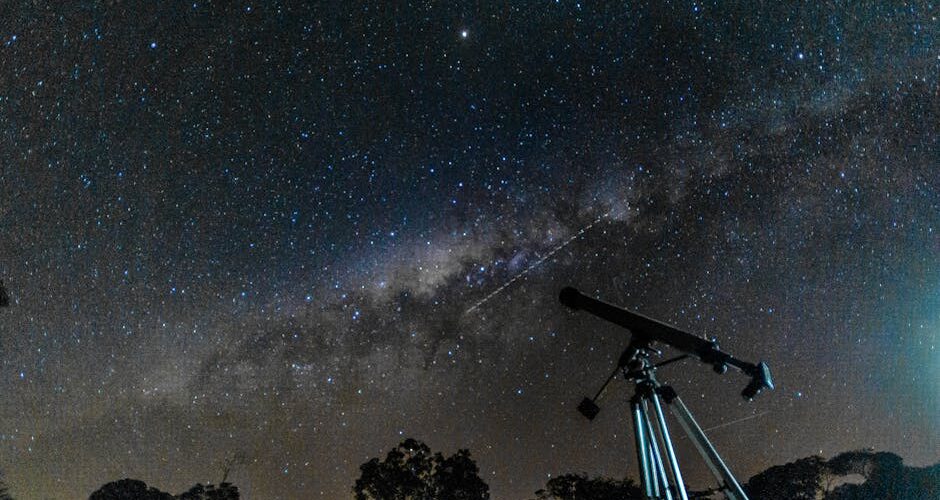
- Choose the Right Equipment: A telescope with a wide aperture and filters for light pollution can significantly enhance your nebula viewing experience.
- Dark Skies Are Key: Find a location with minimal light pollution to maximize your chances of seeing faint nebulae.
- Use Star Charts: Familiarize yourself with star charts and apps that can guide you to the nebulae visible in your night sky.
Ultimately, whether you’re gazing through a powerful telescope or a simple pair of binoculars, the mesmerizing beauty of nebulae offers a humbling reminder of the universe’s vastness and complexity.