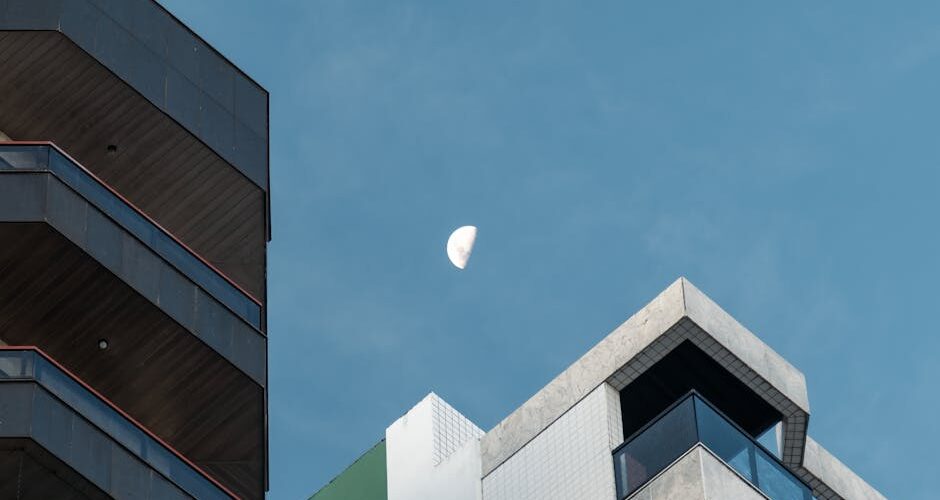
The Dream of Lunar Colonization: Closer Than Ever
As we step into 2026, the concept of lunar colonization, once the stuff of science fiction, is rapidly becoming reality. With significant advancements in technology and international collaboration, establishing sustainable habitats on the Moon is no longer a distant dream. The Moon, our nearest celestial neighbor, offers unique opportunities and challenges for those daring to pioneer space habitation.
Advancements in Lunar Construction Technologies
One of the most significant breakthroughs has been the development of 3D printing technology capable of using lunar regolith—the soil on the Moon—as a building material. Companies like ICON and SpaceX have successfully printed the first prototypes of lunar habitats using regolith simulant here on Earth. These structures, designed to withstand the harsh lunar environment, demonstrate the potential for self-sufficient living quarters on the Moon.
In 2026, the European Space Agency (ESA) announced a partnership with NASA to deploy the first regolith-based construction on the Moon by 2027. This collaborative effort aims to establish a permanent base near the lunar south pole, where water ice deposits provide a critical resource for life support and fuel production.
Harnessing Lunar Resources: Water and Energy
Water is the lifeblood of any habitat, and the Moon has plenty hidden in its shadowed craters. Recent missions, like NASA’s Artemis and China’s Chang’e probes, have confirmed significant ice deposits, making the Moon an attractive prospect for sustainable living. These ice reserves can be harvested and processed into water, breathable oxygen, and hydrogen fuel, supporting both human life and rockets.
Solar energy remains the most viable energy source for lunar bases. The Moon’s surface receives abundant solar radiation, which can be harnessed through advanced photovoltaic cells. The construction of solar farms near lunar habitats is underway, designed to provide consistent energy, even during the two-week-long lunar night, through innovative energy storage solutions.
International Cooperation: A Global Effort for a Lunar Future
The vision of a sustainable lunar outpost is a global endeavor. NASA, ESA, Roscosmos, and CNSA have formed the International Lunar Research Station (ILRS) consortium, pooling resources and expertise. This initiative promises to be a turning point in fostering peace and cooperation, as countries share a common goal of advancing human presence beyond Earth.
Through this consortium, nations are collaborating on technologies for life support systems, radiation protection, and habitat construction, ensuring that the Moon becomes a stepping stone for further exploration into the solar system.
Challenges Ahead: Overcoming the Moon’s Hostile Environment
Despite the progress, the Moon poses significant challenges for habitation. The lack of a magnetic field and atmosphere exposes inhabitants to cosmic radiation and micrometeorites. Engineers are developing multifunctional protective layers for habitats, incorporating regolith-based shielding and advanced materials to mitigate these risks.
The psychological and physiological effects of living in reduced gravity and isolation are also areas of ongoing research. Simulated missions on Earth, like those conducted in the Antarctic, provide valuable insights into maintaining mental and physical health in lunar environments.
The Practical Takeaway: Preparing for Humanity’s Next Giant Leap
As we stand on the brink of establishing a human presence on the Moon, the implications are profound. This endeavor is not just about the scientific and technological achievements but also about inspiring a new generation of explorers. Schools worldwide are incorporating lunar science into their curricula, encouraging students to envision themselves as future Moon settlers.
For aspiring space enthusiasts and professionals, now is the time to engage with this burgeoning field. Whether through educational programs, advocacy groups, or international collaborations, the opportunity to be part of humanity’s next giant leap is open to all. The Moon is no longer just a target for exploration; it’s becoming the new frontier for sustainable living in the cosmos.