1. Choosing the Wrong Night
One of the most common mistakes meteor shower enthusiasts make is selecting the wrong night to head out for viewing. Meteor showers are annual events, but their peak activity varies each year. For instance, the Perseids peak around August 11-13, while the Geminids shine brightest around December 13-14. Failing to check the peak dates can leave you staring at a blank sky. Check reliable astronomical sources or use mobile apps that provide specific meteor shower forecasts for your location.
2. Ignoring the Moon’s Phase
The moon can be a pesky companion when it comes to meteor watching. A full moon can wash out all but the brightest meteors, making it essential to factor in the moon’s phase when planning your observation night. Aim for nights close to a new moon or when the moon sets early. For instance, the 2025 Perseids will be best observed after the new moon on August 2nd, offering almost perfect dark skies.
3. Staying Too Close to City Lights
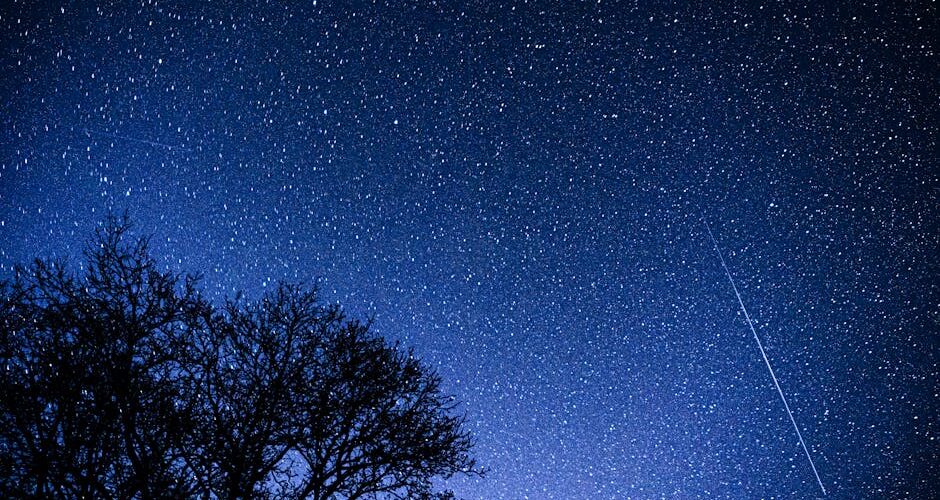
Light pollution is a major hurdle for stargazers. Urban areas, with their bright lights, can drastically reduce the number of visible meteors. To get the best view, venture far away from city lights. National parks or designated dark sky reserves like Utah’s Bryce Canyon offer stunningly clear night skies. The International Dark-Sky Association lists several such locations worldwide, making it easier to plan.
4. Arriving Unprepared
Meteor shower viewing isn’t just about showing up and looking up. Comfort is key, especially since most showers occur late at night or early morning. Bring a reclining chair or a blanket to lie on, allowing you a wide view of the sky without straining your neck. Also, pack warm clothing, snacks, and a thermos of hot drink. Meteor watching can become chilly and slow, and a little comfort goes a long way in enhancing the experience.
5. Looking in the Wrong Direction
While meteors can appear anywhere in the sky, each shower has a radiant point—a location in the sky from which the meteors seem to radiate. For instance, the Leonids appear to emanate from the constellation Leo. Knowing the radiant helps orient your gaze. However, don’t fixate on it. Meteors can streak across any part of the sky, so a broad view is best.
6. Relying on Telescopes or Binoculars
Unlike planets or distant galaxies, meteors are best observed with the naked eye. Telescopes and binoculars narrow your field of view, making it harder to catch the fleeting trails. Instead, let your eyes adjust to the darkness for about 20 minutes. This adjustment enhances your ability to spot even the faintest meteors across the night sky.
7. Leaving Too Soon
Meteor showers require patience. Many observers make the mistake of leaving too early, especially if they don’t see immediate action. It’s crucial to give yourself at least an hour or two of uninterrupted sky-gazing. Meteor activity can be sporadic, and peaks can happen unexpectedly. Stick around, and you might be rewarded with a spectacular display.
Practical Takeaway: Observing a meteor shower can be a mesmerizing experience, provided you plan it right. By choosing the correct peak dates, finding a dark location, and preparing appropriately, you can maximize your chances of witnessing one of nature’s most awe-inspiring spectacles. Make it a night to remember.