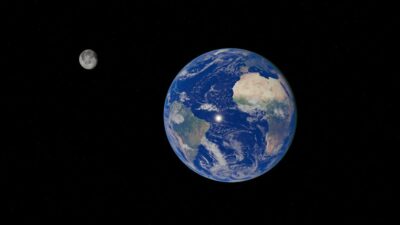
The Vision of Space Habitats
The dream of living beyond Earth isn’t just a whimsical idea belonging to science fiction anymore. The year 2027 brings us closer to cosmic craftsmanship, where the construction of space habitats is a pivotal endeavor. Imagine living in a community orbiting the Earth or nestled safely on the Moon’s surface. These habitats are not only a testament to human ingenuity but also a necessary step as we extend our presence into the cosmos.
The Building Blocks of Space Habitats
Creating a self-sustaining environment in space requires innovative materials and technologies. The focus is on lightweight, durable materials capable of withstanding cosmic radiation and extreme temperatures. The advent of advanced 3D printing technology plays a significant role in fabricating these habitats. Industry leaders like SpaceX and Blue Origin are heavily investing in research to develop materials such as titanium alloys and carbon composites specifically designed for space architecture. This allows for modular construction, where components can be printed and assembled directly in space, significantly reducing launch costs.
Designing for Sustainability
Sustainability is at the core of space habitat design. Unlike Earth, resources in space are limited, making recycling and efficient use of materials absolutely crucial. Researchers are exploring closed-loop life support systems that can regenerate air and water while effectively managing waste. Moreover, the integration of solar power and energy-efficient systems ensures that these habitats are self-reliant. For instance, the European Space Agency is developing solar panels with unprecedented efficiency, capable of powering entire colonies with minimal energy loss.
Challenges in Cosmic Architecture
Building a habitat in the hostile environment of space comes with unique challenges. Radiation exposure, microgravity, and meteoroid impacts are just a few of the hurdles that designers must overcome. The International Space Station has provided invaluable data on how structures behave in space, but there is still much to learn. Scientists are experimenting with electromagnetic shielding and inflatable modules that expand to provide spacious quarters without adding weight.
Living in Space: The Human Element
The psychological and physical well-being of inhabitants is a crucial consideration. Living in space involves more than just surviving; it requires creating a sense of community and comfort. Research into biophilic design—bringing elements of nature into habitats—has shown promise in mitigating the effects of isolation. NASA is experimenting with virtual reality systems that simulate Earthly environments, offering occupants a taste of home. Moreover, fostering a community spirit through shared activities and communal spaces will be vital in making these habitats feel like a home away from home.
Practical Takeaway: Preparing for a Cosmic Future
As we move closer to establishing permanent habitats in space, it’s essential to consider the skills and knowledge that the next generation of space settlers will require. Education systems worldwide are beginning to include space-focused curricula, preparing students for careers in this burgeoning field. From engineering and environmental science to psychology and architecture, a diverse range of expertise will be necessary to ensure the success of space habitats.
The journey to becoming a multi-planetary species is well underway, and as cosmic craftsmen, we’re not just builders of structures but creators of new worlds. Each step we take in space habitat development brings us closer to exploring the final frontier and calling it our home.