Uncovering Microbial Mysteries on Mars
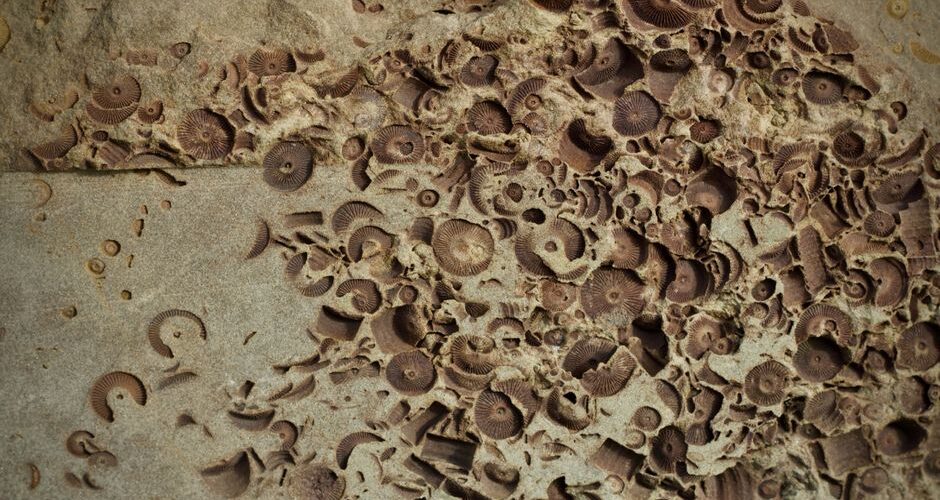
In 2026, the quest for life on Mars has taken a giant leap forward, thanks to the groundbreaking efforts of NASA’s Perseverance rover and its companion, the Ingenuity helicopter. These robotic explorers have been diligently working to uncover signs of past life on the Red Planet. Recent discoveries have revealed microbial fossils embedded in ancient Martian rocks, suggesting that Mars once harbored conditions suitable for life.
The Jezero Crater, where Perseverance landed, has proven to be a treasure trove of geological wonders. The crater was once a lake, and the sediments accumulated there have preserved vital clues about the planet’s past. Scientists have identified organic molecules and carbonates, which are essential building blocks for life. These findings fuel the tantalizing possibility that life might have once thrived on Mars, hidden beneath its dusty surface.
The Exoplanetary Frontier: Searching for Signs in Neighboring Star Systems
Our search for life is not limited to Mars. Thanks to the advancements in telescope technology, astronomers have identified thousands of exoplanets orbiting distant stars. In 2026, the focus has shifted to detecting biosignatures in the atmospheres of these exoplanets, which could indicate the presence of life.
The James Webb Space Telescope (JWST) has played a pivotal role in this endeavor. By analyzing the light passing through exoplanetary atmospheres, scientists can identify the presence of gases such as oxygen, methane, and water vapor. These substances, in the right context, could suggest biological activity. A recent study published by the European Southern Observatory revealed potential biosignatures on exoplanet Tau Ceti e, sparking excitement and further investigation.
Europa’s Hidden Oceans: The Search for Life Beneath the Ice
Jupiter’s moon Europa has long captivated scientists with its icy surface and the promise of a vast ocean hidden beneath. In 2026, NASA’s Europa Clipper mission has been sending back high-resolution imagery and data that bolster the theory of a subsurface ocean.
Researchers believe that Europa’s ocean, warmed by hydrothermal vents, could create a hospitable environment for life. The Clipper’s instruments have detected intriguing plumes of water vapor erupting through the icy crust, suggesting active geological processes. The mission’s next step is to deploy landers equipped with advanced sensors, capable of analyzing the composition of these plumes for signs of organic compounds and microbial life.
Enceladus: Saturn’s Secret Reservoir of Life?
Saturn’s moon Enceladus, with its striking geysers spewing water and organic molecules, remains a prime candidate in the search for extraterrestrial life. The data collected by the Cassini spacecraft has been invaluable, but new missions in 2026 are set to deepen our exploration of this icy world.
The Enceladus Explorer, a collaborative mission by NASA and the European Space Agency, aims to dive through the moon’s plumes, sampling the ejected material directly. By analyzing the complex organic molecules within these geysers, scientists hope to determine the potential for life in Enceladus’ underground ocean, which might be rich with chemical energy sources.
Life Beyond Earth: Practical Implications for Humanity
The implications of discovering extraterrestrial life are vast and multifaceted. Such a discovery could redefine our understanding of biology, chemistry, and the evolution of life. It might also influence philosophical and ethical perspectives, challenging our views on humanity’s place in the cosmos.
However, the search for life beyond Earth is more than an academic pursuit. It has practical implications for the future of space exploration and human colonization. Understanding how life can thrive in extreme environments can guide the development of sustainable habitats on other planets. Moreover, discovering extraterrestrial life forms could lead to novel biotechnologies and advancements in medicine.
In 2026, we stand at the cusp of one of humanity’s greatest quests: the search for life beyond our planet. As we unravel the mysteries of our universe, we also unlock the potential for groundbreaking scientific, philosophical, and practical advancements that could shape the future of human civilization.