The Vision for Martian Living
In 2026, humanity is no longer just dreaming about life on Mars—it’s actively planning for it. With advancements in space travel and technology, the vision of Martian colonies is becoming more tangible. But what exactly does it take to build a habitat on a planet so unforgiving? From materials to sustainability, MarsCraft 2026 is redefining the concept of extraterrestrial living.
Materials on Mars: The Building Blocks
One of the key challenges in constructing Martian habitats is choosing the right materials. Transporting building materials from Earth is expensive and impractical. Enter regolith, the loose, fragmented material covering Mars’ surface. In 2026, scientists have perfected a method to transform this abundant resource into a reliable building block using technology akin to 3D-printing. This not only cuts costs but also reduces the dependency on Earth-based resources, marking a significant step in sustainable space architecture.
Harnessing Martian Resources
Beyond building materials, living sustainably on Mars requires harnessing local resources. Water, a critical component for survival, can be extracted from the planet’s ice caps and underground reservoirs. In 2026, new methods of ice mining and water purification have been developed, ensuring a steady supply for both consumption and agriculture. This self-sufficiency is crucial, as it allows colonies to thrive independently from Earth.
Designing for Sustainability
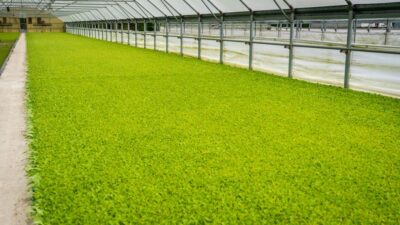
Sustainability is more than a buzzword; it’s a necessity on Mars. Therefore, habitats are designed to maximize energy efficiency and resource recycling. Solar panels, tailored to withstand Mars’ dust storms, are the primary energy source. Meanwhile, closed-loop systems recycle water and air, and innovative agricultural techniques, like hydroponics and aeroponics, provide fresh produce, reducing the need for resupply missions. Such advancements ensure that Martian settlements are not just livable but thrive sustainably.
The Challenges of Martian Atmosphere
Mars’ thin atmosphere provides little protection against radiation and meteor impacts. To counter these threats, habitats are built partially underground or covered with regolith. Advanced shielding technologies further protect inhabitants, making these Martian cities as safe as they are sustainable. These proactive measures are essential in creating a comfortable life for the pioneers who will call Mars home.
Psychological and Social Considerations
Beyond physical infrastructure, the psychological and social well-being of residents is vital. In 2026, architects and psychologists collaborate to design interiors that mitigate isolation and monotony. Spaces are crafted to foster community, creativity, and relaxation, ensuring that the inhabitants maintain a healthy mental state. This holistic approach to space living acknowledges that human needs go beyond mere survival.
As we look to Mars as the next frontier, the steps being taken in 2026 are laying the groundwork for a future where interplanetary living is a reality. MarsCraft 2026 is not just about building shelters—it’s about creating a vibrant, sustainable, and resilient community on the Red Planet.
Practical Takeaway: As we advance towards a future on Mars, the focus is on sustainability and self-sufficiency. With technological innovations, harnessing local resources, and designing for both physical and psychological well-being, humanity is setting the stage for successful Martian living. The actions taken today will pave the way for a thriving Martian society.