The Benefits and Risks of Space Mining in 2026
Space mining, once a figment of science fiction, is now on the cusp of becoming a reality. As we stand in 2026, the concept of extracting valuable minerals from asteroids and other celestial bodies is not just feasible but is being actively explored by both governmental agencies and private enterprises. While the potential rewards are immense, the risks are equally significant. This duality makes space mining one of the most exciting yet daunting prospects of our time.
The Economic Potential of Space Mining
The economic implications of space mining are staggering. Earth’s resources are finite, and as the global population continues to grow, the demand for minerals like gold, platinum, and rare earth elements is soaring. Enter space mining—a potential solution that promises to unlock vast, untapped resources.
A single asteroid, such as 16 Psyche, is estimated to contain minerals worth over $10,000 quadrillion. That’s more than the entire global economy by several orders of magnitude. Companies like Planetary Resources and Deep Space Industries have been eyeing these celestial riches for years, and some have already initiated preliminary missions to identify viable targets.
Technological Advances Facilitating Space Mining
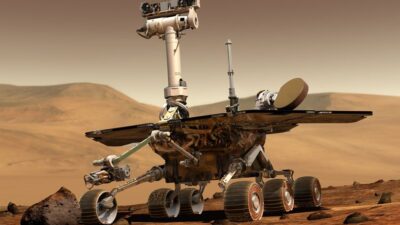
Technological advancements have played a pivotal role in transforming space mining from a dream into a tangible possibility. Innovations in robotics, autonomous spacecraft, and propulsion systems have enabled missions to distant asteroids and moons.
- Robotics and AI: These technologies allow for the precise manipulation and extraction of materials in the harsh environment of space, where human presence is neither practical nor safe.
- Propulsion Systems: The development of efficient propulsion technologies, such as ion thrusters, has reduced the cost of travel to and from mining sites.
- In-Situ Resource Utilization (ISRU): This concept involves using the materials found on asteroids to produce fuel and other necessities, further reducing dependency on Earth-based resources.
Environmental and Ethical Considerations
While the economic and technological aspects of space mining are promising, they also bring forth a host of environmental and ethical concerns. The potential impact on space environments, which are still largely unknown, must be considered.
There is the risk of contaminating celestial bodies with Earth-based microbes, which could compromise scientific research and lead to unintended ecological consequences. Additionally, the ethical implications of exploiting resources from extraterrestrial bodies must be addressed. As treaties like the Outer Space Treaty of 1967 suggest, space is considered the “province of all mankind,” raising questions about ownership and profit distribution.
Regulation and International Cooperation
Regulating space mining is a complex task that requires international cooperation. The existing framework, primarily the Outer Space Treaty, is outdated and does not adequately address the specifics of resource extraction and ownership.
Countries like the United States and Luxembourg have already passed laws that allow their companies to claim ownership of resources mined from space. However, this unilateral approach could lead to conflicts and disparities in how space resources are utilized. A global regulatory body or treaty may be necessary to ensure fair and sustainable practices in space mining.
The Future of Space Mining
As we look ahead, the future of space mining will likely be shaped by a combination of technological innovation, economic incentive, and international diplomacy. The potential for geopolitical tension is real, with countries and corporations vying for control over space resources.
Yet, if managed well, space mining could lead to a new era of abundance and cooperation, reducing resource scarcity and fostering a spirit of unity in the quest for a common good. The key will be finding a balance between exploitation and preservation, ensuring that space remains a frontier for exploration and discovery rather than conflict and exploitation.
Practical Takeaway: As we move forward, the focus must be on creating a robust framework that balances economic potential with ethical and environmental responsibility. International cooperation and regulation will be crucial in ensuring that space mining becomes a sustainable and equitable venture, benefiting all of humanity rather than a select few.