The Future of Space Tourism: What to Expect by 2027
As we stand on the precipice of 2027, space tourism is no longer a distant dream but a burgeoning industry poised to redefine travel as we know it. With the rapid advancements in technology and the bold initiatives from pioneering companies, the next year promises an exhilarating leap towards making space travel accessible to not just astronauts, but ordinary people. Let’s take an in-depth look at what the world of space tourism might hold for us by 2027.
The Rise of Commercial Space Flights
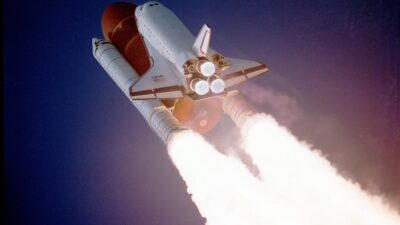
In the last few years, companies like SpaceX, Blue Origin, and Virgin Galactic have made headlines with their successful launches and ambitious plans. By 2027, commercial space flights are expected to become increasingly routine. SpaceX, led by Elon Musk, continues to refine its Starship rocket, aiming for weekly launches that could transport tourists into orbit and beyond. Meanwhile, Blue Origin’s New Shepard vehicle is expected to offer suborbital trips that provide a few minutes of weightlessness—an experience that has captivated the imaginations of many.
These companies are vying to lower the cost of space travel, making it more affordable. Currently, ticket prices range from $250,000 to several million dollars, but with increased competition and technological advancements, prices are projected to decrease, opening the market to a broader audience.
Space Hotels: A New Kind of Getaway
Imagine waking up to the sight of the Earth from your hotel room window. By 2027, this could very well be a reality. Orbital Assembly Corporation and Axiom Space are among the frontrunners in the race to build space hotels. The designs for these hotels promise a combination of luxury, science fiction, and practicality.
- Orbital Assembly Corporation: They plan to unveil their Voyager Station, a rotating hotel that simulates gravity to provide guests with a comfortable stay. This ambitious project aims to accommodate up to 400 guests, offering amenities ranging from restaurants to gyms—all in space.
- Axiom Space: With plans to attach their modules to the International Space Station (ISS), Axiom Space envisions a hotel that doubles as a research facility. Guests could participate in scientific experiments or simply enjoy the breathtaking views.
Both companies aim to receive their first guests by the mid-2020s, making space hotels not just a concept but an imminent reality.
Innovative Travel Itineraries: Beyond Just Space
Space tourism by 2027 is expected to offer more than just the journey to and from Earth. Companies are crafting itineraries that include unique experiences, such as spacewalks, zero-gravity games, and even lunar excursions. These activities are designed to provide travelers with a deeper connection to the cosmos and make their trips truly memorable.
The Moon, in particular, is becoming a focal point for tourism. NASA’s Artemis program, along with private companies, aims to establish a sustainable human presence on the lunar surface. This opens up the possibility for tourists to not only visit the Moon but participate in its exploration, making them part of humanity’s next giant leap.
Challenges and Considerations
Despite the exciting prospects, space tourism faces several challenges. Safety remains a paramount concern, as companies must ensure that all flights are as risk-free as possible. The tragic accident of Virgin Galactic’s SpaceShipTwo in 2014 serves as a sobering reminder of these dangers.
Environmental impact is another significant consideration. The carbon footprint of launching rockets is substantial, and companies are under pressure to develop more sustainable practices. Blue Origin, for example, is working on rockets powered by hydrogen, which produces water as its only emission.
Additionally, the regulatory landscape continues to evolve. As the industry grows, governing bodies like the Federal Aviation Administration (FAA) are tasked with creating frameworks that ensure safety and compliance without stifling innovation.
The Practical Takeaway for Aspiring Space Tourists
For those dreaming of venturing into space, the next year could be transformative. Aspiring space tourists should start by researching the different offerings from various companies, understanding the costs involved, and considering the type of experience they desire. Whether it’s a brief suborbital flight or a longer stay in a space hotel, the choices are becoming more varied and accessible.
Moreover, staying informed about the latest developments and safety protocols is crucial. As the industry matures, it’s essential to align one’s expectations with reality and be prepared for the exhilaration of space travel.
By 2027, the realm of space tourism promises to be an exciting frontier, one that beckons adventurers to look beyond our blue planet and experience the vastness of the universe firsthand. It’s an era where the line between science fiction and reality blurs, offering experiences that were once only possible in our dreams.