How to Capture Stunning Astrophotography with Your Smartphone
Capturing the night sky in all its glory might sound like a task reserved for those with high-end cameras and expensive gear. But believe it or not, your smartphone, armed with the right techniques and apps, is more than capable of snapping some truly breathtaking shots of the cosmos. As technology continues to evolve, smartphones in 2026 are more equipped than ever for astrophotography, making it a thrilling endeavor for astronomy enthusiasts.
Choosing the Right Smartphone
Before we delve into the tips and tricks for capturing your starry night masterpieces, it’s essential to talk about the tool you’ll be using—your smartphone. While most modern-day smartphones have decent cameras, some stand out in the realm of low-light photography. Brands like Google, Apple, and Samsung have models with advanced night modes explicitly designed for low-light scenarios, making them perfect for astrophotography.
For instance, the latest Google Pixel series employs AI-driven algorithms to enhance night shots by reducing noise and boosting clarity. Meanwhile, Apple’s iPhone models now incorporate advanced sensors to capture more light, significantly improving night sky photos.
Essential Accessories
Even with the best smartphone camera, certain accessories can elevate your astrophotography game. Here are some essential tools:
- Tripod: Keeping your phone steady is crucial for long-exposure shots. A compact tripod can prevent blurring by stabilizing your phone.
- Remote Shutter: Avoid shaking your phone by using a remote shutter or a Bluetooth remote. This allows you to capture images without physically touching your device.
- Lenses: Clip-on lenses can expand your phone’s capabilities, offering wider angles or even more zoom to capture those distant stars.
Understanding Camera Settings
Modern smartphones often have advanced camera settings that can be manually adjusted to enhance your night photos. Here’s what to consider:
- Exposure: Longer exposure times allow your camera to gather more light, essential for capturing stars. Start with a 10-second exposure and adjust as needed.
- ISO: This controls your camera’s sensitivity to light. A higher ISO setting can make dim stars visible, but beware of increased noise.
- Focus: Set your focus to infinity to ensure distant stars are sharp. This can be done through your camera’s settings or using a manual focus app.
Timing and Location: Keys to Success
When capturing the night sky, timing and location are just as important as the equipment you use. Ideally, head out on a clear night, away from city lights that could drown out the stars. The Bortle Scale, which ranks the darkness of a night sky, can help you find optimal stargazing spots.
National parks or areas like Big Bend National Park in Texas or Cherry Springs State Park in Pennsylvania are acclaimed for their dark skies. Check the moon phases too, as a full moon can outshine faint stars. The best time for astrophotography is during a new moon or when the moon is below the horizon.
Post-Processing: Bringing Out the Magic
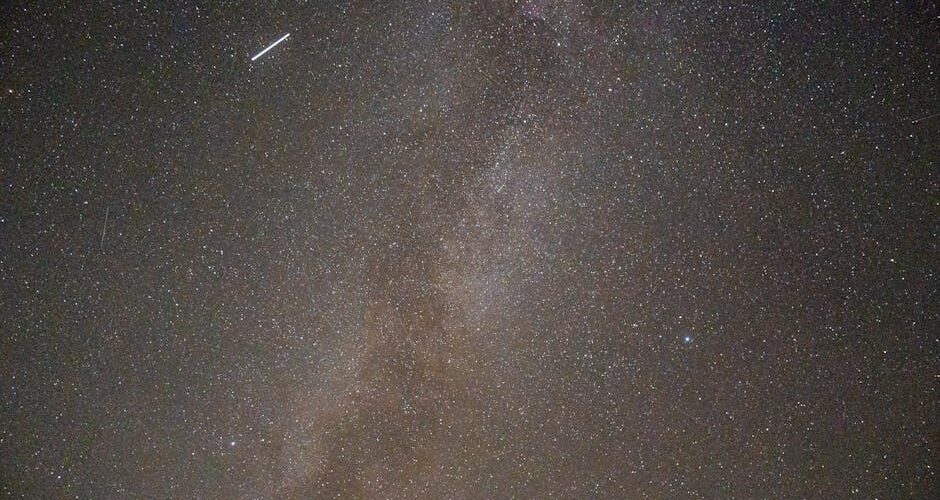
After capturing your celestial photos, post-processing can enhance your images further. Smartphone apps like Adobe Lightroom or Snapseed offer powerful editing tools. You can adjust contrast, brightness, and saturation to bring out the vibrant colors of nebulae or the Milky Way.
Noise reduction features in these apps are also crucial, especially when shooting at high ISOs. By fine-tuning these elements, you can transform a good photo into a stunning one.
Practical Tips and Safety
While capturing the cosmos can be mesmerizing, it’s also important to be practical and safe. Ensure your phone is charged, as long exposure shots can deplete battery life quickly. Dress warmly, as nights can get chilly, even in summer. If you’re heading to remote areas, inform someone of your whereabouts and carry a flashlight or headlamp with a red light to preserve your night vision.
Astrophotography with your smartphone is not just about capturing stars—it’s about experiencing the universe’s beauty and vastness. With a few tips, some patience, and creativity, you can capture stunning images of the night sky that are sure to impress.