How to Prepare for Your First Astronomical Observation Night
Gazing up at the stars, a curiosity ignites within us—a longing to explore the cosmos and uncover its secrets. If you’re about to embark on your first astronomical observation night, you’re in for an exhilarating experience. Whether you’re planning to observe from your backyard or a remote location, preparing effectively is key. This guide will walk you through every step of the way, ensuring your first celestial adventure is both memorable and successful.
Choosing the Right Location
The location of your observation can vastly impact what you will see. Light pollution from urban areas can obscure the stars and make it difficult to spot celestial bodies. Ideally, you want to find a dark-sky location. The International Dark-Sky Association lists certified dark-sky parks and reserves across the globe. In the United States, places like Big Bend National Park in Texas and Cherry Springs State Park in Pennsylvania offer excellent visibility.
Additionally, ensure that the area is safe and accessible. Remember to check the weather forecast, as clear skies are essential for a successful observation. Cloud cover can certainly put a damper on the evening.
Gathering the Necessary Equipment
Let’s talk gear. You don’t need the most expensive telescope to start off. A decent pair of binoculars, such as the Celestron SkyMaster 15×70, can reveal many wonders of the night sky, including star clusters and even some nebulae. However, if you’re set on a telescope, consider starting with a portable and user-friendly option like the Orion StarBlast 4.5 Astro Reflector.
- Red Flashlight: To preserve your night vision while navigating your equipment or star charts.
- Star Chart or Mobile App: Apps like Stellarium or SkyView can help you identify constellations and planets in real-time.
- Comfortable Chair: Observing can be a lengthy process, so make sure you’re comfortable.
- Warm Clothes and Snacks: Nights can get chilly, and you’ll need to stay energized.
Understanding What to Observe
With the equipment ready, it’s crucial to know what you’re observing. Start with the basics: the Moon, planets like Jupiter and Saturn, and bright constellations such as Orion or Ursa Major. If you’re observing during April, the Lyrids Meteor Shower provides a spectacular show, with about 10-20 meteors per hour.
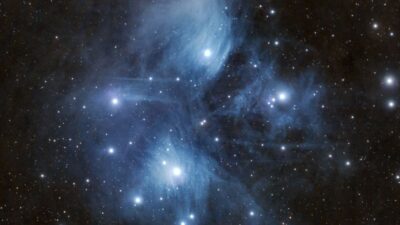
For deeper sky objects, star clusters like the Pleiades and the Beehive are stunning. Nebulae such as the Orion Nebula might also be visible under the right conditions. Resources like NASA’s Night Sky Network offer monthly highlights of celestial events to help plan your evening.
Learning the Lingo
Before stepping out under the stars, familiarize yourself with some basic astronomical terms. Understanding phrases like magnitude (brightness of a star), zenith (point in the sky directly above you), and ecliptic (path of the Sun across the sky) will enhance your experience.
Engage with online forums and communities, like the Cloudy Nights forum, where seasoned astronomers share tips and experiences. The more you know the language of the stars, the more enriching your night will be.
Practicing Patience and Perseverance
Astronomical observation is an art of patience. Allow your eyes about 20 minutes to adjust to the darkness. It’s easy to become captivated by the vastness of space, but remember to take your time. Not every night will be perfect. Clouds may cover the sky, or your equipment might have a learning curve. Each challenge is an opportunity to learn and prepare better for the next adventure.
Consider keeping a journal of your observations. Note down the date, time, location, weather, and everything you observed. Over time, it becomes a valuable resource and a beautiful record of your growing journey in astronomy.
Final Thoughts
Your first astronomical observation night is not just about what you see. It’s about kindling a passion for the universe and understanding our place within it. With the right planning and mindset, this night marks the beginning of countless celestial adventures. So go out there, look up, and let the stars tell their stories.
Each night sky is a reminder of the endless mysteries waiting to be uncovered. So pack your gear, choose your location wisely, and prepare for an unforgettable night under the cosmos.