The Revival of Ancient Starwatching Practices
Across the globe, starwatching has long been an integral part of cultural heritage. From the ancient Egyptians to the native Hawaiians, the stars have guided agricultural cycles, navigation, and spiritual beliefs. In 2026, there’s a fascinating revival of these ancient practices combined with modern-day astronomical discoveries. Enthusiasts and experts alike are delving into historical records and artifacts to unearth insights from civilizations that were guided by the night sky. This fusion of past and present is sparking a renewed interest in how our ancestors interpreted celestial phenomena, and how these interpretations can inform modern astronomy.
The Role of Indigenous Knowledge in Modern Astronomy
In recent years, there’s been a significant push to incorporate indigenous knowledge into the study of astronomy. Indigenous communities across the planet possess a wealth of astronomical knowledge that has been passed down through generations. This knowledge is not just about the stars, but also encompasses seasonal changes and ecological cycles. For example, the Aboriginal and Torres Strait Islander peoples of Australia have long used the stars for navigation and maintaining ecological balance. In 2026, collaborative projects between indigenous groups and astronomers are proving invaluable for enhancing our understanding of the cosmos. These collaborations are fostering a deeper respect for indigenous perspectives and are uncovering new ways to observe and interpret the night sky.
The Impact of Cultural Astronomy on Youth Engagement
One of the most exciting developments in the realm of cultural astronomy is its impact on youth engagement. Across the globe, educational programs are springing up that blend cultural heritage with cutting-edge astronomical research. Students are not only learning about the latest scientific discoveries but are also exploring the ways their ancestors viewed the stars. This holistic approach is engaging a new generation of astronomers who are passionate about both their cultural roots and scientific innovation. Countries like Chile, with its robust astronomical community and indigenous Mapuche culture, are leading the charge in incorporating cultural perspectives into educational curriculums.
Starwatching Festivals: A Global Phenomenon
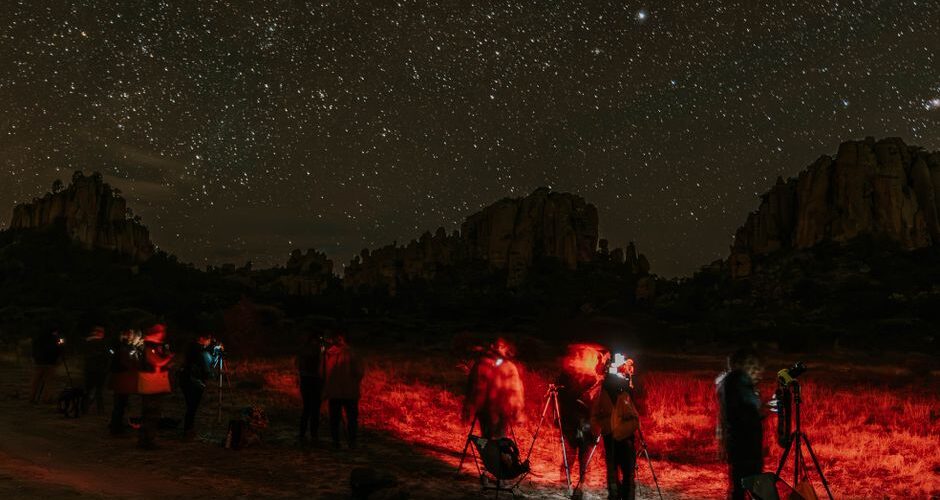
In 2026, starwatching festivals have become a global phenomenon, drawing people from all walks of life to celebrate the celestial wonders above. These festivals are more than just a chance to gaze at the stars; they are cultural gatherings that highlight the shared human experience of looking up at the night sky. From the famous Atacama Desert in Chile to the dark skies of rural Mongolia, these festivals provide opportunities for communities to share stories, music, and traditions related to the stars. They also serve as a platform for astronomers to showcase their latest research and engage with the public in meaningful ways.
Future Directions: Cultural Astronomy and Technological Innovation
As we look to the future, the intersection of cultural astronomy and technological innovation promises exciting developments. With advances in VR and AR technology, we can now recreate ancient celestial events and explore historical skies with unprecedented accuracy. This technological integration allows for a deeper understanding of how different cultures perceived and interacted with the cosmos. Additionally, the continued collaboration between cultural astronomers and scientists may lead to the discovery of new celestial phenomena, as indigenous knowledge often points to regions of the sky that have been overlooked by Western science.
Practical Takeaway
For those interested in exploring cultural astronomy, consider attending a local starwatching event or festival. These gatherings offer a unique opportunity to learn from diverse cultural perspectives and to deepen your appreciation of the stars. By engaging with both historical and modern interpretations of the cosmos, you can expand your understanding of how humanity has looked to the stars for guidance and inspiration throughout history.