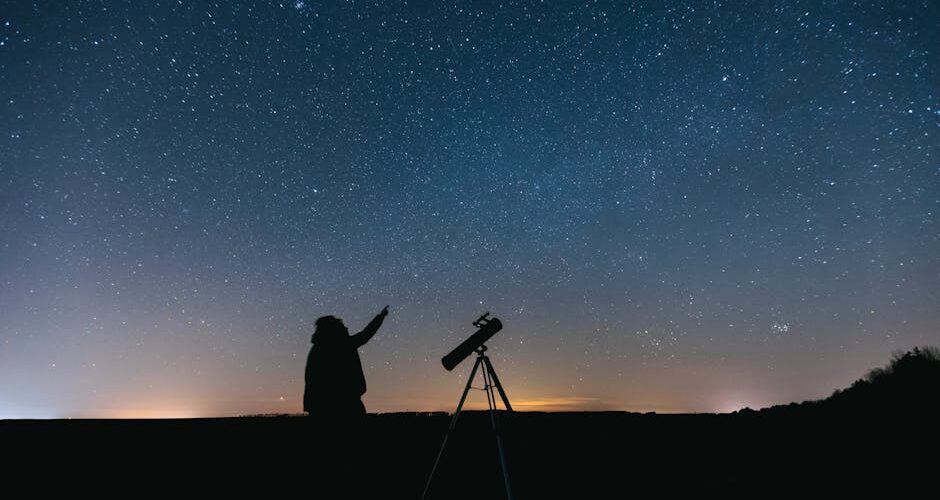
7 Tools Every Budding Astronomer Should Own
Becoming an astronomer is like embarking on an endless voyage across the vastness of the cosmos. Each night, as the stars reveal their ancient stories, we find ourselves drawn deeper into the mysteries of the universe. Whether you’re taking your first steps under the night sky or you’re a seasoned stargazer looking for the next essential tool, having the right equipment can make all the difference. In 2026, there are more tools than ever to enhance your astronomical journey. Here’s a guide to seven indispensable tools every budding astronomer should have in their toolkit.
The Right Telescope: Your Eyes to the Universe
No tool is more synonymous with astronomy than the telescope. For beginners, selecting the right one is crucial. A popular choice for many is the Celestron NexStar 6SE, a telescope beloved for its user-friendly interface and high-quality optics. With a 6-inch aperture, it provides remarkable clarity and detail, allowing you to explore everything from the craters of the Moon to distant galaxies like Andromeda. With computerized mounts that track celestial objects, modern telescopes like this can even guide novices through the constellations with ease.
Star Charts and Planetarium Apps: Navigating the Night Sky
Understanding the night sky is fundamental to astronomy. While traditional star charts remain valuable, planetarium apps have revolutionized the way we learn the constellations. Apps like Stellarium or SkySafari offer real-time sky maps. Simply point your device at the sky, and these apps identify stars, planets, and satellites. They even provide historical data, helping you track celestial events with precision. With augmented reality features, these tools bring the cosmos to your fingertips, making the night sky accessible to everyone.
Astrophotography Equipment: Capturing Celestial Wonders
Astronomy isn’t just about observation; it’s also about capturing those moments. To delve into astrophotography, a good digital camera is essential. The Sony Alpha a7 III is a favorite among astrophotographers, known for its exceptional low-light performance. Pair it with a sturdy tripod and a telescope adapter, and you’re ready to take breathtaking photos of nebulae and planetary surfaces. Don’t forget a remote shutter release to avoid camera shake during those long exposures. Capturing the night sky can be rewarding, turning fleeting moments into eternal memories.
Binoculars: Wider Views for Celestial Observation
While telescopes are crucial for detailed observations, binoculars offer a wide-angle perspective, perfect for scanning larger sections of the sky. The Nikon 10×50 binoculars provide excellent light-gathering ability and magnification. They’re especially useful for observing comet tails, star clusters, and the Milky Way’s broad sweep. Easy to use and portable, binoculars are perfect for those quick evening sessions or when traveling to remote stargazing spots like the Atacama Desert in Chile.
Red Flashlight: Preserving Night Vision
Preserving night vision is key when you’re out in the dark for extended periods. A red flashlight is an indispensable tool for astronomers. Unlike white light, red light doesn’t affect your eyes’ sensitivity to darkness. A compact choice is the Coast G20, which offers a comfortable grip and long battery life. It’s perfect for reading star charts or adjusting your equipment without losing sight of the stars. Small but mighty, a red flashlight is often the unsung hero of any stargazing session.
Observatory Memberships: Community and Expertise
Becoming a member of an astronomy club or observatory can significantly enhance your astronomical experience. Organizations like the Royal Greenwich Observatory offer not just access to powerful telescopes but also a community of like-minded enthusiasts and experts. Members often enjoy lectures, workshops, and star parties. These gatherings are excellent opportunities to learn from seasoned astronomers, share your knowledge, and enjoy the camaraderie of those who share your passion for the stars.
Remember, astronomy is a journey. With the right tools, the wonders of the universe will continue to unfold before you. Equip yourself well, and let the skies be your guide.
Practical Takeaway: Start Small, Dream Big
Embarking on your astronomical journey doesn’t mean you need to own all these tools right away. Start with a telescope or binoculars and gradually build your collection as your knowledge and interest grow. Remember, each tool offers a unique way to explore the universe. As your curiosity expands, so will your toolkit, each piece adding another dimension to your understanding of the cosmos. Clear skies await—happy stargazing!