10 Astounding Facts About the Milky Way Galaxy
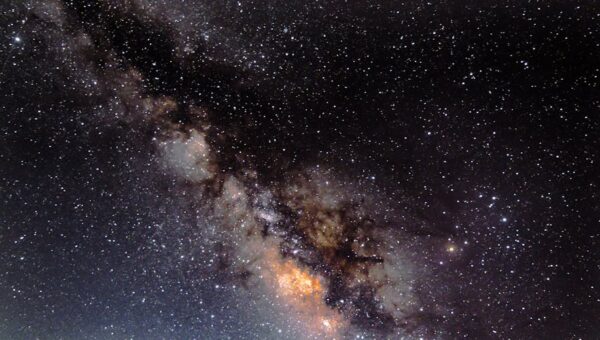
The Milky Way Galaxy is a vast and complex entity, home to billions of stars and an array of cosmic wonders that continue to captivate astronomers and stargazers alike.
Space exploration and astronomy and cosmic discoveries
The Milky Way Galaxy is a vast and complex entity, home to billions of stars and an array of cosmic wonders that continue to captivate astronomers and stargazers alike.
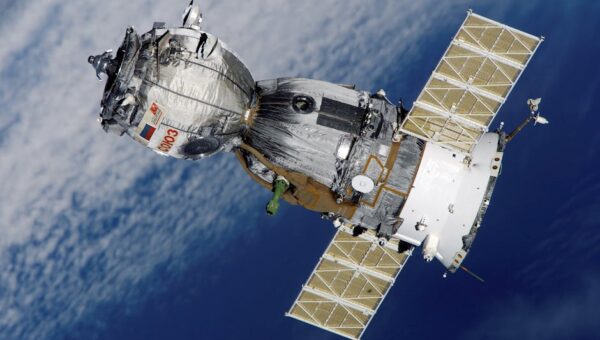
Space debris poses an increasing threat to the satellites that power our modern life, with millions of fast-moving fragments orbiting Earth. Innovative solutions and international cooperation are needed to tackle this growing problem.
Learn to identify constellations with ease through basic steps, technology, and mythological stories. Transform your night sky experience into a journey of discovery.
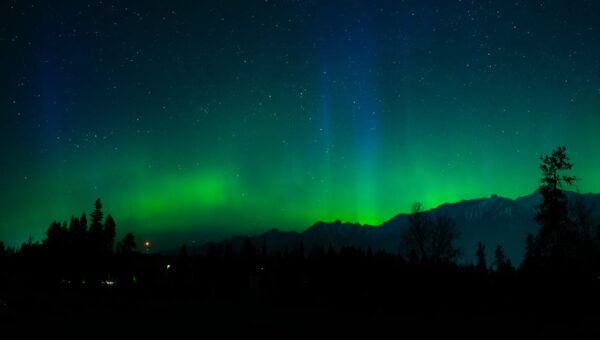
Discover the top 10 cosmic phenomena you can observe with the naked eye, from the ethereal Aurora Borealis to the distant Andromeda Galaxy.
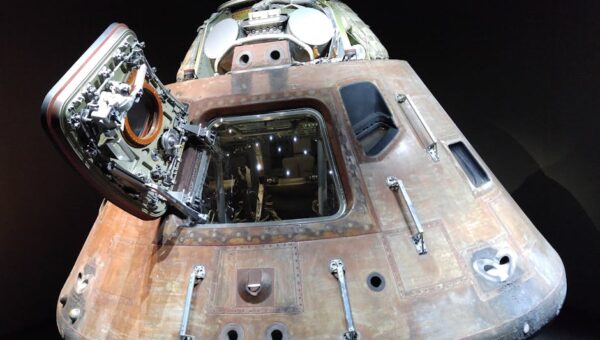
The renewed race to the Moon is fueled by scientific curiosity, technological advancements, and geopolitical strategy, promising a future rich with possibilities.
The James Webb Space Telescope is reshaping our understanding of the universe, with its advanced technology allowing us to peer further into the cosmos than ever before.
The search for exoplanets has become more critical than ever, reshaping our understanding of the universe and driving technological advancements.
In 2026, artificial intelligence is reshaping space exploration, driving advances from autonomous spacecraft navigation to the search for extraterrestrial life.
Spectroscopy is a powerful tool that allows astronomers to explore the universe by analyzing the light emitted or absorbed by objects millions of light-years away.
Dark matter remains one of the universe’s most elusive and captivating mysteries, accounting for a significant portion of its mass-energy. Despite decades of research, its true nature continues to intrigue and challenge astronomers and physicists.